Walk into any modern store and you are stepping into a carefully engineered environment designed to influence what you see, how you feel, and ultimately, how much you spend. From the colors on the walls to the music in the background and the layout of every aisle, retailers rely on subtle psychological techniques to nudge you toward bigger baskets and more impulse purchases. Once you recognize these tactics, you can shop more consciously and keep control over your budget instead of letting the environment decide for you.
1. Store Layouts That Direct Your Journey
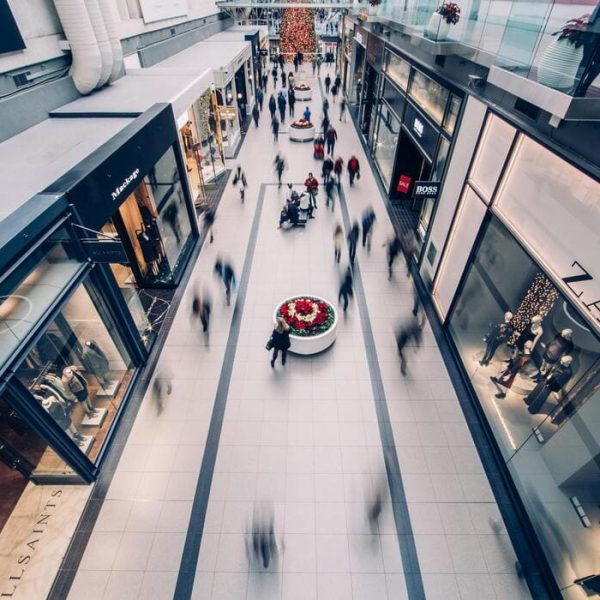
The way a store is physically organized is rarely accidental. Many supermarkets and large retailers use a “racetrack” layout that guides you in a loop around the entire space. Essentials such as milk, bread, or batteries are often placed far from the entrance so that you must pass countless tempting items on your way there. The more time you spend walking through the aisles, the more opportunities the store has to trigger unplanned purchases.
In international markets, brands mirror these layout strategies online as well, optimizing navigation paths and content for users who speak different languages. Effective design is often supported by multilingual SEO, which helps stores attract global shoppers and then guide them through localized product journeys tailored to their expectations and cultural habits.
2. The Power of Music, Smell, and Lighting
Retailers rely heavily on sensory cues to influence your mood and spending. Slow-tempo music encourages shoppers to linger, which often translates into higher spending. Faster music, on the other hand, can increase the pace at which customers move through the store, useful during peak times. Carefully chosen playlists can also make a brand feel more premium or more youthful, depending on the target audience.
Scent is another powerful trigger. Bakeries placed near entrances, coffee aromas drifting through a café area, or “new car smell” in dealerships all create emotional responses that make products more desirable. Lighting is calibrated to flatter products and, in fashion stores, to make you look better in the mirror. The goal is simple: make you feel comfortable, positive, and primed to spend.
3. Strategic Product Placement
Eye-level shelves are prime real estate because that is where customers naturally focus first. Brands often pay for these spots, knowing that products at eye level sell significantly better than those placed high or low. Kid-focused items are frequently placed at children’s eye level, making it easier for young shoppers to spot colorful snacks or toys and pressure parents into buying.
Impulse purchases are also engineered through placement. Small, inexpensive items—candy, batteries, lip balm, travel-sized toiletries—are positioned near checkout lines, where you have time to glance around and add “just one more thing” while you wait. End caps at the end of aisles highlight promotions or bestsellers, grabbing attention and creating the impression that a product is special or in demand.
4. Pricing Tricks and the Illusion of Savings
Retailers use several psychological pricing strategies to make products appear cheaper than they are. The classic example is charm pricing: listing an item at $9.99 instead of $10.00. Consumers tend to focus on the first digit and perceive the product as significantly less expensive, even though the difference is only one cent.
Another tactic is “anchoring,” where a higher-priced item is placed next to a similar but slightly cheaper option. The expensive product becomes the reference point, making the mid-range item seem like a bargain. Multi-buy offers such as “3 for 2” or quantity discounts create a sense of value, even when you did not plan to buy that many items in the first place. Limited-time offers add urgency, pushing you to purchase now instead of waiting and reconsidering.
5. Colors and Visual Cues That Influence Emotion
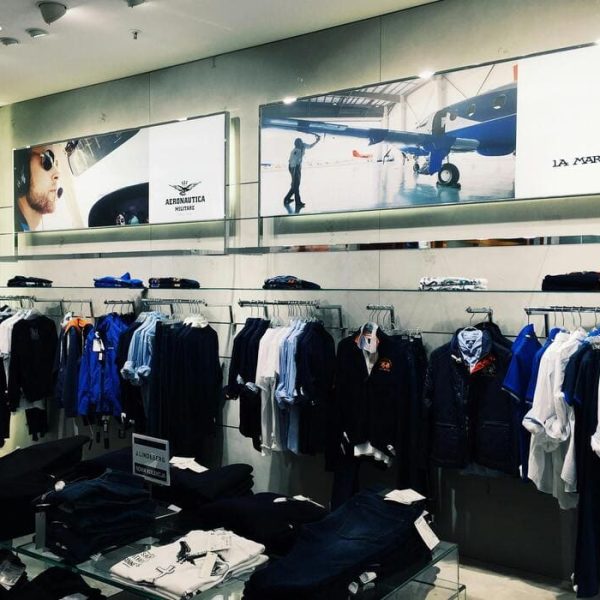
Colors are chosen deliberately to evoke particular feelings and actions. Red is often associated with urgency, excitement, and clearance sales, which is why it appears frequently on discount tags. Yellow can signal affordability and optimism, drawing attention to lower prices. Blue and green tend to inspire trust, calm, and stability, often used by banks, pharmacies, and eco-focused brands.
Visual cues such as bold fonts on sale signs, large percentage-off graphics, and attention-grabbing banners are designed to interrupt your browsing and shift your focus to promotional areas. Even the style of imagery—families enjoying products, aspirational lifestyles, or minimalist visuals—taps into specific emotions that can nudge you toward purchase decisions you might not have made in a neutral environment.
6. Social Proof and Scarcity
Shoppers are heavily influenced by what appears popular. In physical stores, this can be as simple as placing certain items near the front with signs like “customer favorites” or “bestsellers.” When you believe that many other people are choosing something, you are more likely to consider it a safe and smart choice, especially when you are unsure what to buy.
Scarcity works in a similar way. Signs that read “only a few left,” “while supplies last,” or “limited edition” create fear of missing out. Whether it is a special flavor, a holiday gift set, or a trending product, the suggestion that availability is limited can push you to buy immediately, just in case it is gone next time you visit.
7. Loyalty Programs and Personalized Offers
Loyalty cards and membership programs are marketed as ways to reward regular customers, but they also serve to collect valuable data about your habits. By tracking what you buy, when you buy it, and how much you spend, retailers can send targeted coupons that encourage you to return and purchase similar items again.
Personalized discounts may feel like a bonus, yet they are carefully calculated to increase your overall spending rather than reduce it. When combined with offers that require a minimum purchase amount to unlock a reward, these programs can easily lead you to spend more than you initially intended, all in the name of “saving money.”
Shop With Awareness, Not Autopilot
Stores invest heavily in understanding how people think and behave, then translate that knowledge into environments that subtly encourage higher spending. Layouts, sensory design, pricing strategies, product placement, and carefully crafted messaging all work together to influence your decisions, often below the level of conscious awareness.
Recognizing these techniques does not mean you have to avoid shopping; it simply puts you back in control. Enter stores with a list, set a budget, question “too good to miss” offers, and pause before adding impulse items to your basket. When you understand how the environment is shaping your choices, you can decide when to follow its nudges—and when to ignore them.